What to Expect During a Hail Roof Inspection for Your Home
Understanding the impact of hail on your roof
Hailstorms can be sudden and severe, leaving behind damage that is not always obvious from the ground. Even a moderate hailstorm can compromise shingles, loosen flashing, and create weak points that lead to leaks over time. For homeowners in areas like Cedar Park and the broader North Austin region, where spring storms bring hail of varying sizes, knowing what happens during a professional hail roof inspection can help you protect your home and make informed decisions.
Many people assume that if they do not see water stains on their ceiling, their roof escaped the storm unharmed. That assumption can be costly. Hail damage often shows up gradually. A cracked or bruised shingle may hold up for weeks or months before water finds its way through. This is why a thorough inspection after a storm is a smart move, even if your roof looks fine from the street.
What a hail roof inspection covers
A proper hail roof inspection involves a close examination of your roof surface, not just a quick look from below. The inspector checks for impact marks, which are small dents or divots where hail hit the shingles. These marks can weaken the protective surface and lead to granule loss over time. Granules are the small, sand-like particles that coat asphalt shingles and shield them from UV rays. When granules wash away, the underlying material ages much faster.
The inspector also looks for soft hail damage. Soft hail refers to areas where the shingle has been struck but not punctured, leaving the material vulnerable. These spots may feel spongy or slightly depressed. If left unaddressed, they can develop into full leaks. Inspectors examine the underlayment damage as well, checking whether moisture has gotten past the shingles and into the layers beneath. This is especially important because underlayment damage is not visible from the outside and requires careful probing near ridges, valleys, and vents.

Flashing inspection is another critical part of the process. Flashing is the metal or rubber material around chimneys, skylights, and vents that seals the roof against water. Hail can dent or shift flashing, creating small gaps that let water enter. Even a minor gap can lead to rot in the roof deck or attic mold over time.
During the inspection, the professional also checks for compromised shingles. These are shingles that have been cracked, lifted, or broken by hail. A single compromised shingle may not cause an immediate leak, but it reduces the roof's ability to shed water during heavy rain. The inspector documents each issue, often taking photos and notes for your records.
The role of insurance documentation
One of the practical reasons to schedule a hail roof inspection soon after a storm is insurance documentation. Most homeowners policies cover hail damage, but insurers require proof that the damage happened during a specific weather event. A detailed inspection report with clear evidence of impact marks, granule loss, and other damage gives you something concrete to submit with your claim. Without that documentation, you might struggle to prove the damage was storm-related, especially if months have passed.
Inspectors are not adjusters, but they know what insurance companies look for. They can flag issues that might otherwise be missed and help you build a complete picture of the roof's condition. Many homeowners find that having this report before talking to their insurer makes the claims process smoother and faster.
When to schedule the inspection
Timing matters. After a hailstorm, it is wise to schedule an inspection as soon as it is safe to get on the roof. Delaying can allow small problems to grow. A crack in a shingle that looks minor in July may become a leak during the first heavy rain of August. Also, some insurance policies have deadlines for filing claims after a storm. An early inspection helps you meet those deadlines.
If you are buying or selling a home, a hail roof inspection can also be useful. A roof that has taken hail damage in the past may have hidden issues that a standard home inspection does not catch. Knowing the roof's condition can affect negotiations or help you plan for repairs.

What the inspection does not cover
It is helpful to understand the limits of a hail roof inspection. The inspector focuses on the roof surface and the immediate attachments like flashing and vents. They do not typically inspect the interior of your home, attic insulation, or electrical systems. If you suspect water has already entered your home, you may need a separate leak detection service to find the exact entry point. Leak detection uses tools like moisture meters and thermal imaging to trace water paths through walls and ceilings.
Also, an inspection is not a repair. The inspector identifies damage and recommends next steps, but they do not fix the roof during the inspection. You will receive a report and a list of needed repairs, which you can then have a roofing contractor address.
Preparing for the inspection
There is not much you need to do before a hail roof inspection. Clear any debris from around the base of your home so the inspector has easy access. If you have a garage, make sure the attic access is clear if the inspector needs to check for underlayment damage from below. You might also want to gather any information about your roof's age and the type of shingles used, as that helps the inspector assess wear versus storm damage.
Most inspections take between 30 minutes and an hour, depending on the size and complexity of your roof. The inspector will walk the entire surface, so expect them to be on the roof for most of that time. If the pitch is steep or the roof is complicated, the process may take a bit longer.
After the inspection
Once the inspection is complete, you will receive a written report. This report should include photos, a description of each issue found, and a recommendation for repairs. Some inspectors also provide a rough estimate of the work needed, though exact pricing comes from the roofing contractor. Keep this report with your home records. It can be useful for future insurance claims or if you decide to sell the house.
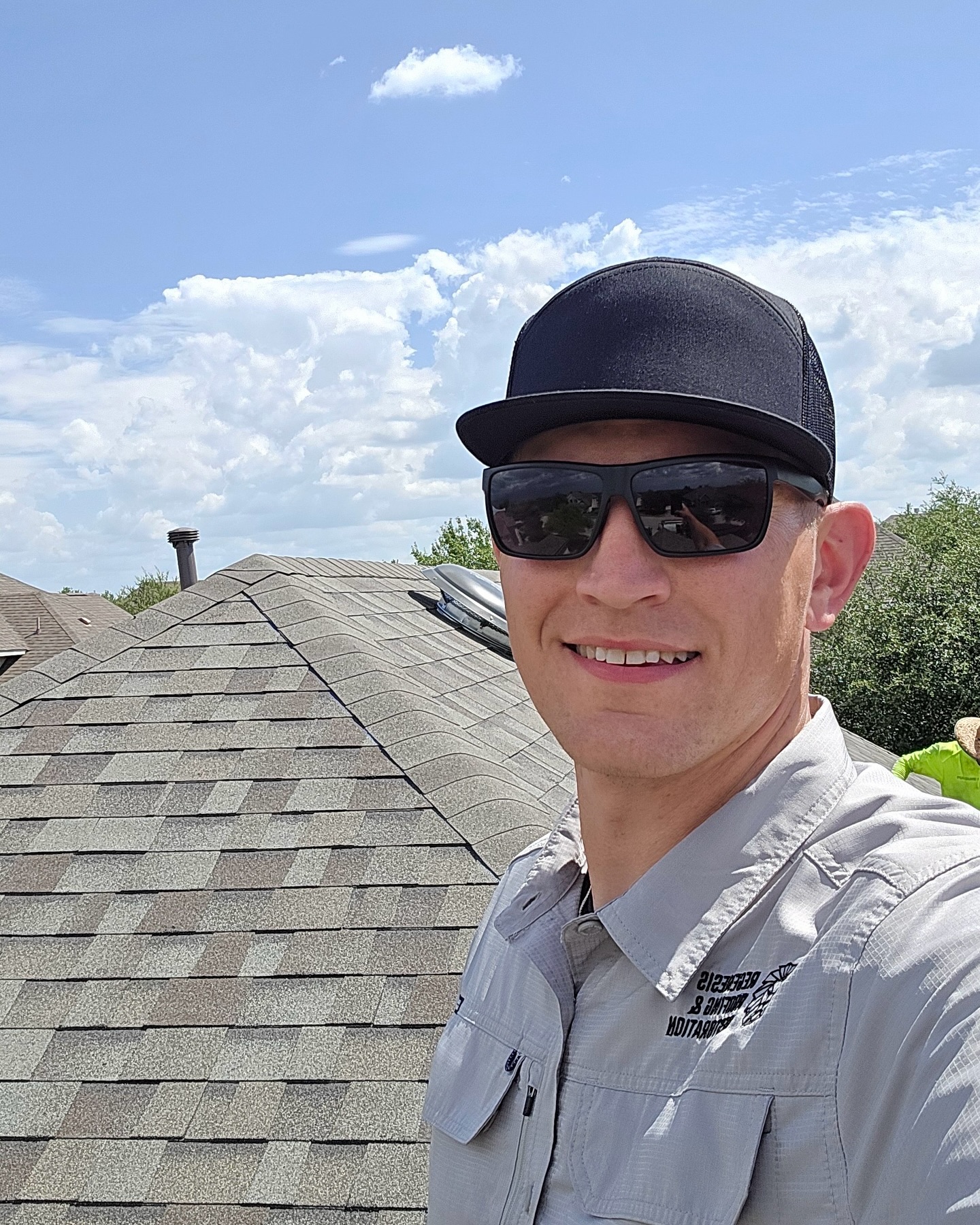
If repairs are needed, prioritize them based on urgency. Leaks or potential leaks come first. Issues like minor granule loss or a few soft spots may be less urgent but should still be addressed within a season or two. Ignoring them can turn small repairs into a full roof replacement.
A thorough hail roof inspection gives you a clear picture of your roof's health after a storm. It helps you catch problems early, supports your insurance claim, and protects your home from more extensive damage. For homeowners in storm-prone areas, making this a routine part of your post-storm checklist is a practical way to stay ahead of repairs and keep your roof in good shape for years to come.